AI is one technology that shows no sign of slowing down. The world is still discovering its potential, even as new risks emerge with every advancement. This is expected—AI is a fast-evolving trend, built on dynamic elements such as user-fed data, algorithms, and pre-defined logic.
What may seem less obvious is the enthusiasm of government agencies to adopt AI. Unlike private enterprises, governments are the largest custodians of citizen data. Their willingness to embrace AI, despite the risks, is both surprising and thought-provoking.
So, why are they doing it? The answer lies in one reality: for governments, AI is no longer just an option—it is a strategic necessity.
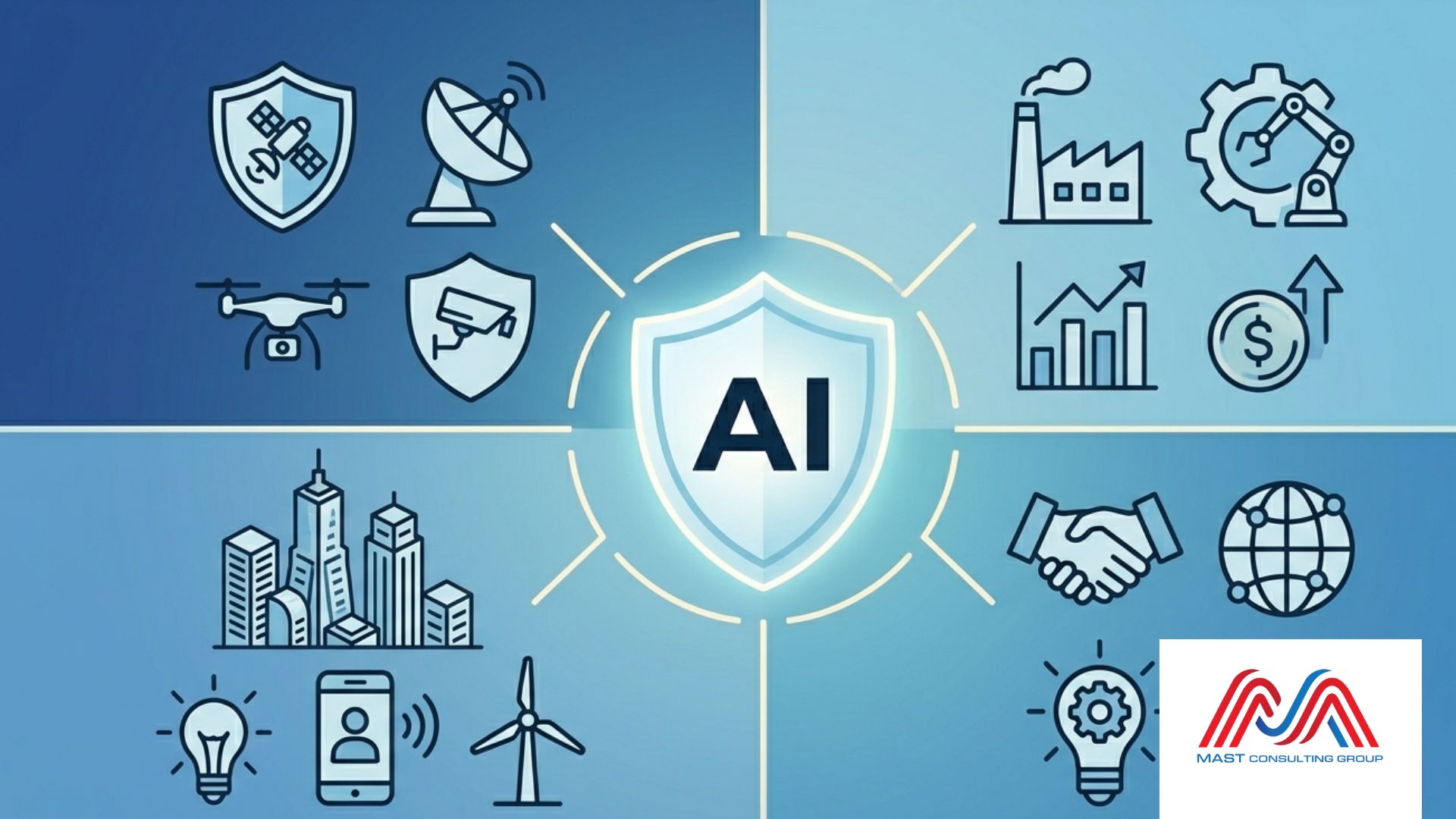
The Driving Forces Behind AI Adoption
- Efficiency and Cost Optimization Governments strive to deliver more with leaner resources. AI automates tasks, speeds up processes, and reduces costs—making public administrations more agile.
- Better Citizen Services Citizens now expect faster, digital-first experiences. AI-powered chatbots, predictive systems, and self-service tools help governments meet these expectations.
- Policy and Decision Support AI enables analysis of vast datasets to anticipate social, economic, and environmental needs—helping frame proactive policies.
- Global Competitiveness No country wants to fall behind in the digital economy. AI adoption signals readiness to compete globally, attract investment, and foster innovation ecosystems.
- Security and Risk Management AI is both a risk and a solution. Governments use it for cybersecurity, fraud detection, and early warning systems—strengthening resilience.
- Catalyst for Innovation By adopting AI, governments stimulate local economies, foster research, and encourage public–private partnerships—laying foundations for long-term growth.
The Balancing Act
The enthusiasm to embrace AI is not blind. The real challenge lies in balancing innovation with responsibility.
This means:
- Building strong governance and regulatory frameworks.
- Ensuring transparency and accountability in AI systems.
- Protecting citizen trust through data ethics and privacy safeguards.
Final Reflection
AI is already reshaping the way governments think about service delivery, policy, and innovation. The focus now is not on whether to adopt AI, but on how to shape its use in a way that builds trust and creates long-term value for citizens.
When implemented with clear governance and ethical safeguards, AI can become a cornerstone of smarter, more inclusive public services—strengthening the bond between citizens and the state.